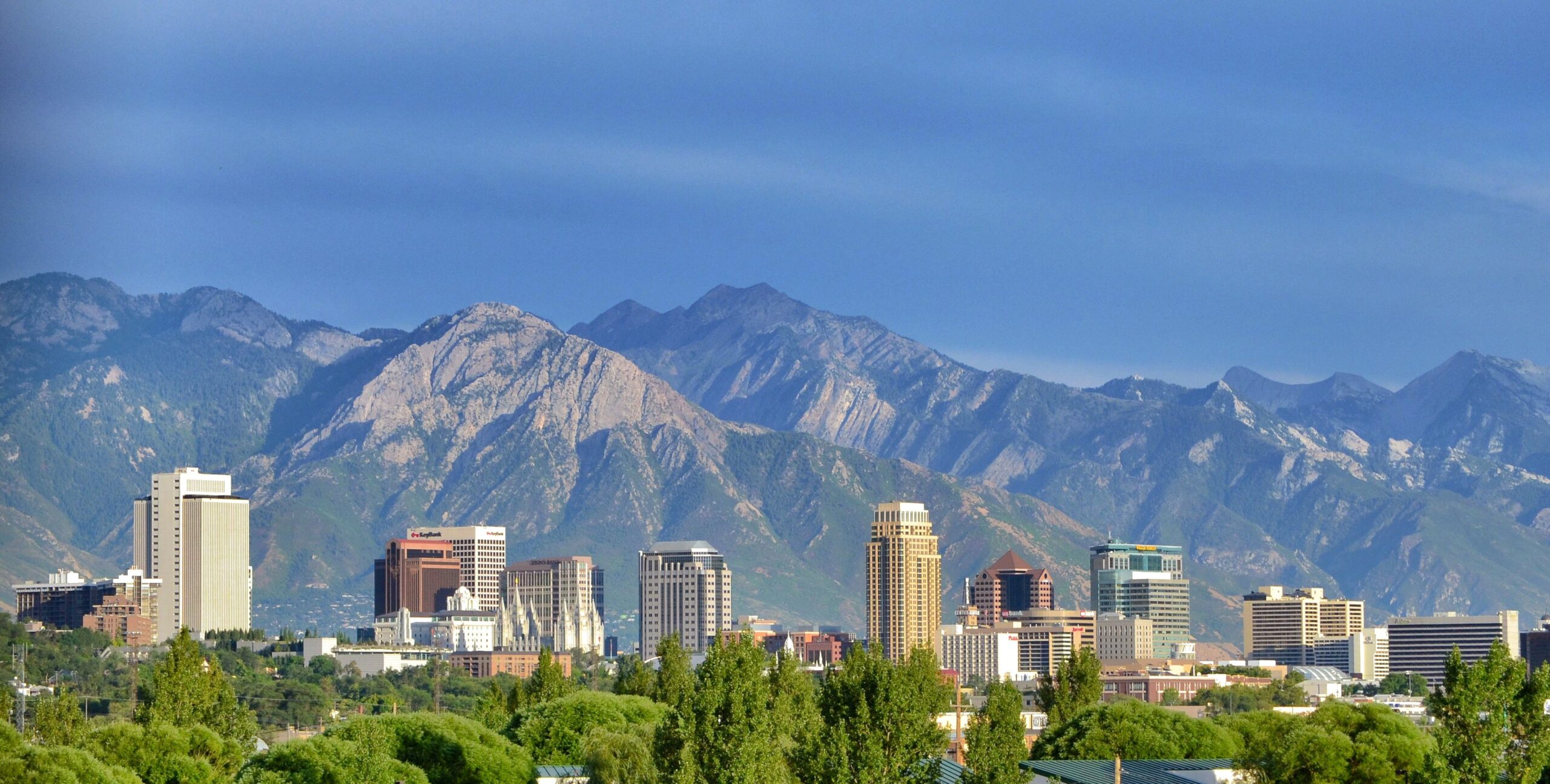
As evening settled over the Wasatch Mountains and the sky shifted into muted purples and soft golds, Salt Lake City revealed a quieter side of its personality. Beyond the structured streets and orderly skyline, there once existed a discreet space that captured warmth, creativity, and authentic human connection. Known to a select few, apt 202 salt lake city utah was not simply an apartment but a hidden cultural refuge. Behind an unmarked door, music played softly, conversations flowed freely, and a sense of belonging replaced the noise of conventional nightlife. This intimate lounge reflected a side of the city that thrived away from commercial venues and rigid norms.
The Birth of an Intimate Urban Concept
The idea behind apt 202 salt lake city utah was rooted in imagination rather than profit. A small group of artists and urban creatives envisioned a place that emphasized connection over spectacle. Their goal was to create an environment where people could slow down, listen, and engage meaningfully. The apartment itself remained modest, furnished with soft seating, warm wooden textures, dim lighting, and a simple vinyl record player that set the tone for the evenings.
Unlike traditional bars or clubs, this space was never promoted publicly. There were no social media campaigns, no signage, and no mass marketing. Attendance relied on word of mouth and personal invitations. This intentional privacy cultivated trust and encouraged genuine interaction. Guests were not customers but participants in a shared experience, making the lounge feel personal and intentional rather than transactional.
Atmosphere That Encouraged Connection
Stepping inside apt 202 salt lake city utah felt like entering a carefully balanced moment in time. Soft lighting cast gentle shadows across the room, and the sound of vinyl crackling filled the air. The environment invited people to sit, talk, and stay present. Conversations were unhurried, laughter felt organic, and silence was never uncomfortable.
What truly set the space apart was its emotional tone. There was no pressure to perform or impress. Instead, the setting encouraged vulnerability and curiosity. Strangers often left as friends, bonded through shared stories, music, and ideas. This atmosphere offered an alternative to mainstream nightlife, focusing on emotional resonance rather than high energy entertainment.
A Platform for Local Creativity
Beyond conversation, the lounge became a quiet incubator for local talent. Musicians, poets, and artists found a welcoming platform where experimentation was encouraged. Acoustic performances, poetry readings, and collaborative art sessions unfolded naturally without rigid schedules or expectations.
This organic creative exchange mirrored the underground cultural pulse of Salt Lake City. While the city continued to grow and modernize, apt 202 salt lake city utah preserved a human-scaled artistic spirit. It allowed creators to share work in a supportive environment, free from commercial pressure or audience judgment.
The Impact of Urban Transformation
As Salt Lake City experienced rapid development, the landscape around intimate social spaces began to change. Increased construction, rising rents, and population growth reshaped neighborhoods across the Wasatch Front. Apartments and condominiums multiplied, designed for efficiency and density rather than community.
In this evolving urban climate, spaces like apt 202 salt lake city utah faced mounting challenges. Real estate costs rose steadily, making unconventional uses of residential properties increasingly difficult. The city’s shift toward high-density living altered the character of neighborhoods that once allowed room for experimentation and cultural intimacy.
Regulatory Pressure and Cultural Shifts
Alongside real estate pressures, regulatory scrutiny of nightlife and social gatherings intensified. Licensing requirements, safety regulations, and zoning laws became stricter, leaving little room for informal or private venues operating outside traditional frameworks.
The strength of apt 202 salt lake city utah was its discretion, yet that same quality made long-term survival difficult. Operating quietly meant limited resources and flexibility when confronted with external challenges. As nightlife habits evolved and legal frameworks tightened, maintaining such a space became increasingly unsustainable.
A Quiet Closure and Lingering Absence
The closure of the lounge did not arrive with announcements or public statements. One day, the door simply stopped opening. Regulars noticed the absence immediately, while the broader city remained largely unaware. Its disappearance reflected a broader pattern in growing cities, where intimate cultural spaces often vanish without recognition.
For those who experienced it, the loss felt personal. The lounge had served as a refuge from routine, offering warmth in a city often perceived as structured and restrained. Its absence left behind a sense of longing for spaces that prioritize connection over consumption.
Cultural Meaning and Lasting Influence
Although the physical space no longer exists, its influence remains meaningful. apt 202 salt lake city utah demonstrated that small, intentional environments can shape cultural identity as powerfully as large institutions. It proved that people crave spaces where they can be seen, heard, and valued beyond surface-level interaction.
Its story highlights a tension present in many modern cities: the balance between growth and human connection. As Salt Lake City continues to evolve, the memory of such spaces serves as a reminder that urban life thrives most when creativity, warmth, and authenticity are protected.
Conclusion
The legacy of apt 202 salt lake city utah extends beyond its walls. It represented a philosophy of living that valued intimacy, creativity, and genuine connection in an era of rapid urban change. While development and regulation continue to shape the city, the memory of this quiet lounge underscores the importance of preserving human-centered spaces. Even as buildings rise and neighborhoods transform, the spirit of such places reminds us that the soul of a city is found not in its structures, but in the connections it fosters.
FAQs
What made apt 202 salt lake city utah unique?
It focused on intimacy, conversation, and creativity rather than commercial nightlife, offering a private and welcoming atmosphere.
Was the lounge open to the public?
No, it operated on an invitation basis, which helped maintain trust and a sense of community among guests.
Why did the space eventually close?
Rising rents, urban development, and increasing regulatory pressure made it difficult to continue operating.
Did it contribute to local art and music?
Yes, it provided a supportive platform for musicians, poets, and artists to share their work in an informal setting.
Could similar spaces emerge in the future?
While possible, changing urban policies and real estate dynamics make such intimate venues increasingly rare.